Benzophenone UV absorber is an organic compound containing a benzene ring and a ketone group. Its structure features strong conjugation effects, allowing it to efficiently absorb ultraviolet (UV) radiation in the range of 290 nm to 350 nm. After absorbing UV light, the molecule can convert the light energy into vibrational energy within the molecule, which is then released as heat, effectively blocking the harmful effects of UV radiation on substrate materials.
Benzophenone UV absorber possesses excellent light stability and thermal stability, making them resistant to decomposition and suitable for high-temperature processing environments. Additionally, they exhibit good compatibility with various polymer matrices (such as polyethylene, polypropylene, and polyvinyl chloride), enabling even dispersion and providing long-lasting protective effects.
The core function of benzophenone UV absorber is to absorb UV radiation, preventing free radical chain reactions triggered by UV energy, and delaying the photodegradation of polymers. Its mechanism of action primarily involves the following:
UV Absorption: The molecule absorbs UV radiation through π-π* transitions, converting high-energy photons into heat energy, thereby reducing the direct damage to polymer chains caused by UV radiation.
Energy Conversion and Release: The absorbed energy is released in a non-radiative manner, preventing further photochemical reactions from occurring.
Structural Stability Protection: The stability of the benzophenone structure ensures that it does not decompose under UV exposure, continuously providing protective effects.
Safety and Environmental Impact: It is essential to choose benzophenone UV absorber that complies with international safety standards to avoid potential photosensitive reactions and environmental pollution.
Control of Addition Levels: The addition concentration should be controlled reasonably to avoid compromising the material's processing performance and final product transparency.
Compatibility: It is important to ensure compatibility with other additives and auxiliaries to avoid precipitation or performance degradation.
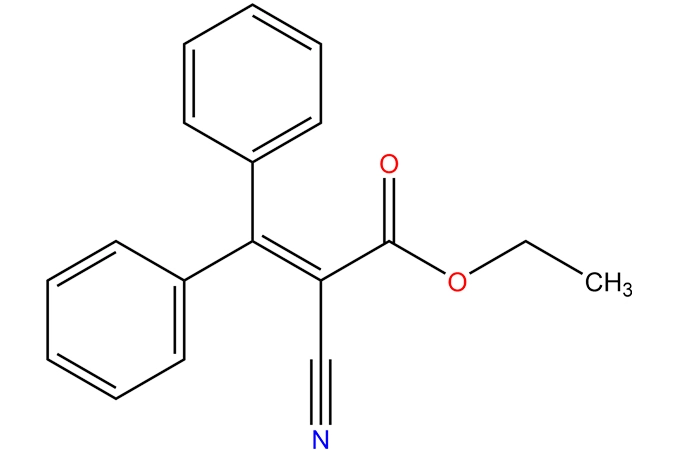
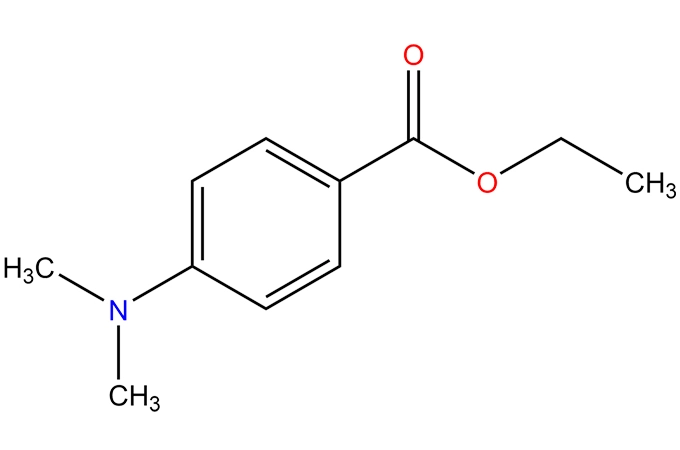
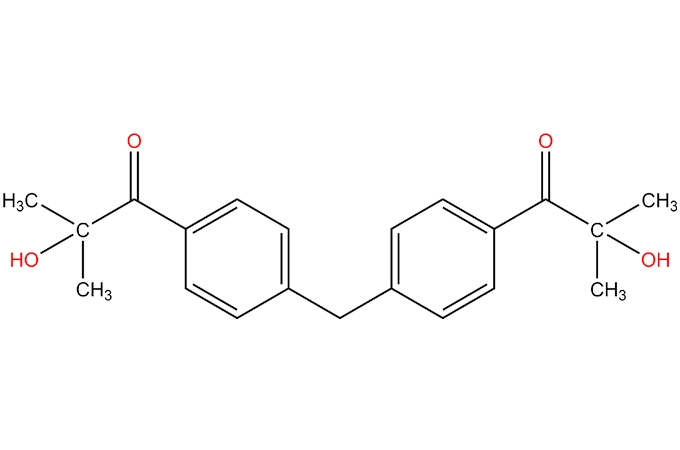
Phenyl ketone UV absorber is an additive that can absorb UV radiation in the 260-350 nm wavelength range, protecting polymers from UV damage and preventing material aging. It is widely used in polyolefins, PVC, coatings, and adhesives, effectively preventing UV degradation in plastics, inks, and cosmetics. By absorbing UV light and converting it into heat energy, phenyl ketone UV absorbers effectively prevent polymer discoloration, cracking, and loss of physical properties. When used in combination with hindered amine light stabilizers (HALS), it enhances the UV protection effect and cost-effectiveness of films and colorless formulations.
Tintoll's phenyl ketone UV absorber has high compatibility and low migration properties, making it suitable for high-temperature processing and providing long-term protection for material performance.
This is the first one.


 English
 日本語
日本語 한국어
한국어 français
 Deutsch
 Español
 italiano
 русский
 português
 tiếng việt
 Türkçe