Organic UV filters are a class of organic compounds that contain conjugated double bonds or aromatic ring structures, enabling them to effectively absorb ultraviolet (UV) radiation, particularly in the UV-A and UV-B wavelength ranges. Their main characteristics include:
Efficient UV Absorption: These filters absorb UV light through electronic transitions within the molecule, converting the energy into heat and reducing the damage UV radiation can cause to substrate materials.
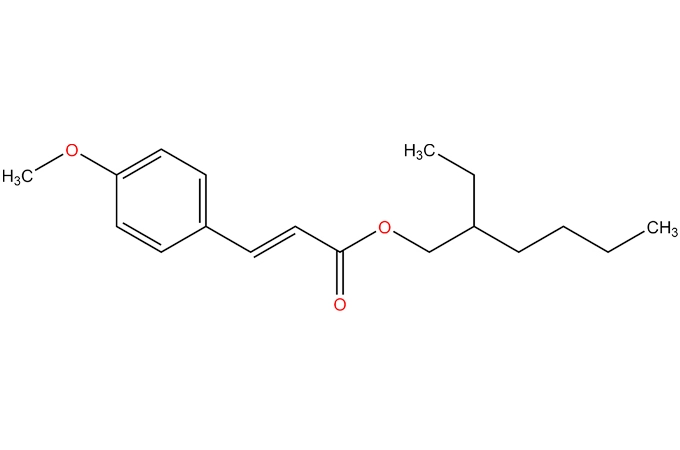
Diverse Chemical Structures: Organic UV filters include various structures such as benzophenones, cinnamate esters, and benzotriazoles, catering to different protection needs.
Good Solubility and Dispersibility: They easily dissolve or disperse uniformly in various substrates, such as emulsions, plastics, and coatings.
Good Photostability: Some organic UV filters are modified to improve their stability under light exposure, reducing degradation over time.

Organic UV filters protect materials by absorbing UV photons through their unique molecular structures. The absorbed high-energy UV light is converted into molecular vibrational or rotational energy, which is then released as heat. This process prevents UV radiation from causing harm to the substrate. Unlike inorganic physical blockers, organic UV filters have a narrow absorption bandwidth and a high level of specificity, allowing them to efficiently shield certain UV wavelengths.

Personal Protective Products
Organic UV filters are key ingredients in sunscreens and skincare products, effectively preventing sunburn, photoaging, and the formation of dark spots caused by UV radiation, thus ensuring skin health.
Plastic Products
Adding organic UV filters to plastics can prevent UV-induced photodegradation, prolonging the lifespan of plastic products. These filters are widely used in automotive parts, outdoor equipment, and packaging materials.
Coatings and Inks
Organic UV filters play a crucial role in coatings and inks, protecting building facades, metal surfaces, and printed materials from UV damage, while maintaining the stability of colors and structures.
Textile Protection
By incorporating organic UV filters into textile surfaces or fibers, the UV resistance of fabrics is enhanced, making them suitable for outdoor sportswear and protective gear.
Tintoll's organic UV filters are chemical sunscreen ingredients that effectively absorb both UVA and UVB rays, providing broad-spectrum protection. These filters are widely used in personal care products, including sunscreens. Common ingredients such as Avobenzone, Octocrylene, Octinoxate, and Oxybenzone provide lightweight skin feel and powerful sun protection. These filters are suitable for sunscreens, daily facial care, and whitening products, offering effective protection against UV damage and preventing premature skin aging. For sensitive skin, some ingredients may cause allergic reactions; therefore, low-irritant formulations or skin testing are recommended.
UV filters in cosmetics are ingredients designed to protect the skin from harmful ultraviolet (UV) radiation. Tintoll's organic UV filters are characterized by excellent photostability and formula flexibility, ensuring long-lasting sun protection, making them ideal for various personal care products.
| Product Name | CAS Number | Main Use | Features |
|---|---|---|---|
| TinSorb™ DHHB | 302776-68-7 | Daily facial care, sunscreen, whitening products | High photostability, strong UVA protection, prevents skin aging |
| Avobenzone | 70356-09-1 | Sunscreens, daily skincare products | Broad-spectrum UVA/UVB protection, lightweight feel |
| Octocrylene | 6197-30-4 | Sunscreens, cosmetic stabilizers | Improves formula stability, broad-spectrum UVB protection |
| Octinoxate | 5466-77-3 | Sunscreens, lip balms, moisturizers | UVB protection, easy to formulate, lightweight texture |
| Oxybenzone | 131-57-7 | Sunscreens, skincare products | Broad-spectrum UV protection, may cause reactions in sensitive skin |
![N,N'-propane-1,3-diylbis[3-(3,5-di-tert-butyl-4-hydroxyphenyl)propionamide]](/uploads/image/20230901/14/irgacure-2959-photoinitiator.webp "N,N'-propane-1,3-diylbis[3-(3,5-di-tert-butyl-4-hydroxyphenyl)propionamide]")


 English
 日本語
日本語 한국어
한국어 français
 Deutsch
 Español
 italiano
 русский
 português
 tiếng việt
 Türkçe